Requirement definition
Share your load profile, electricity tariff, grid conditions and site photos. You receive a free first-pass ROI and a capacity target built from your numbers.
⏱ 1–3 days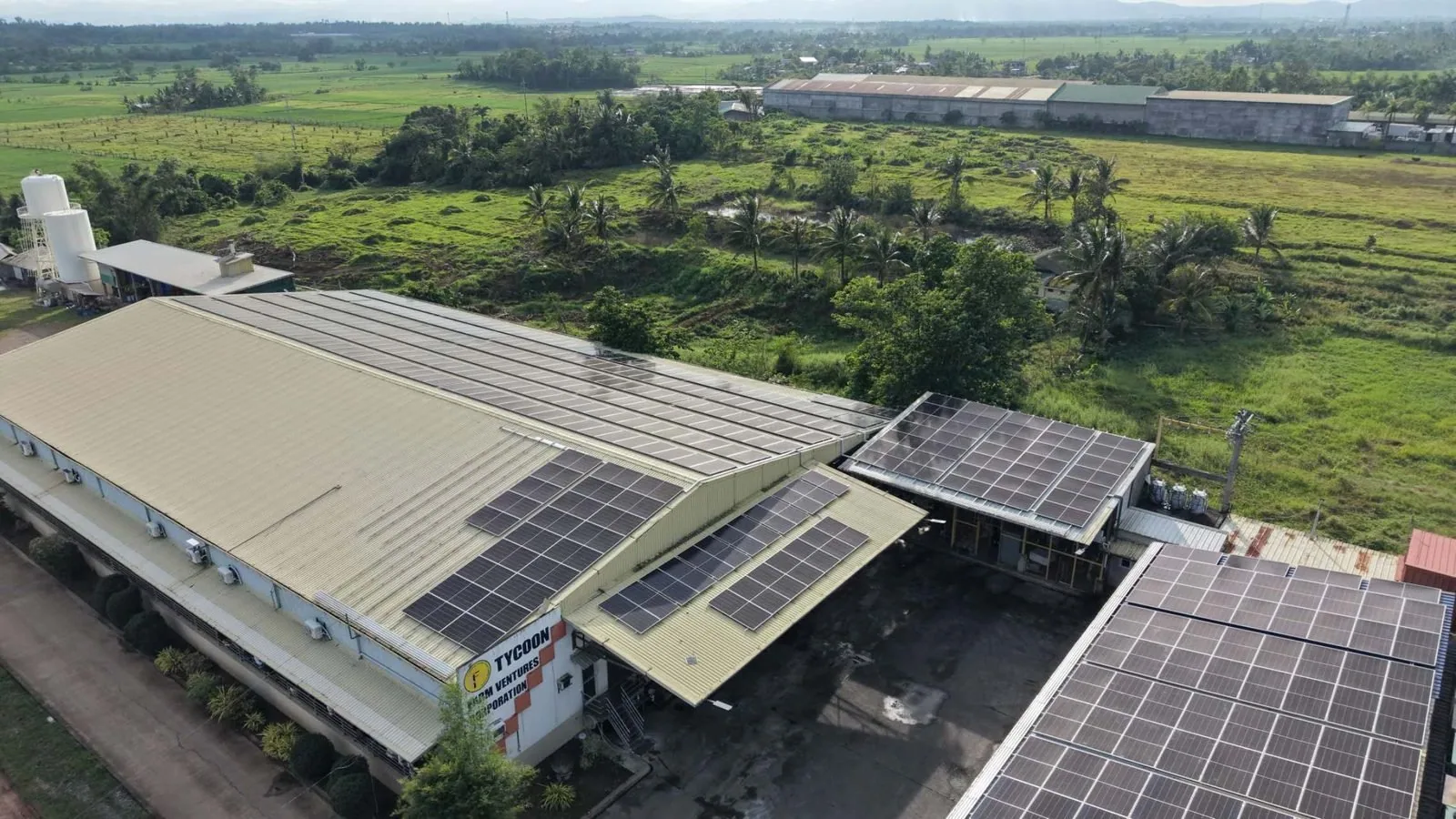
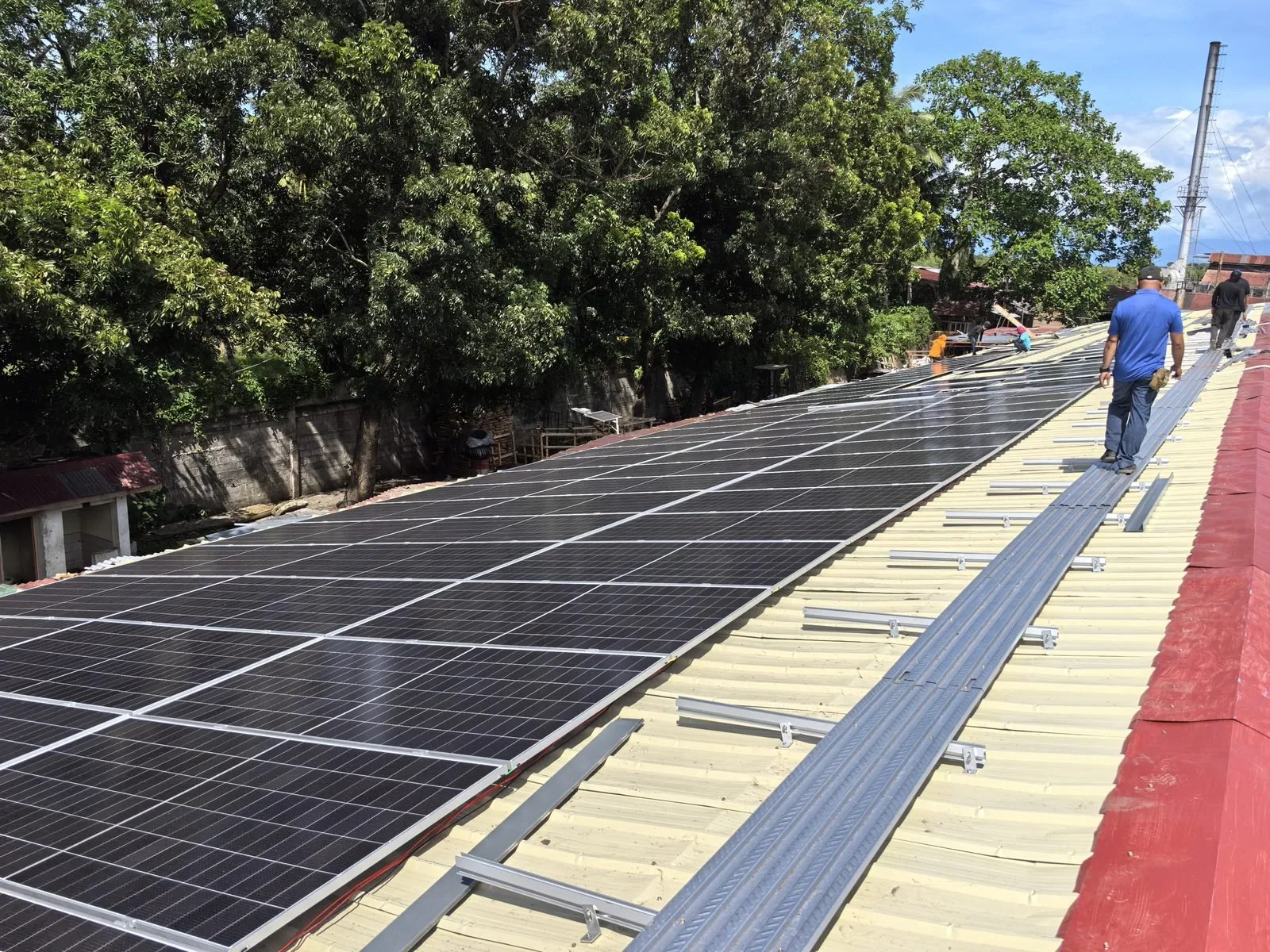
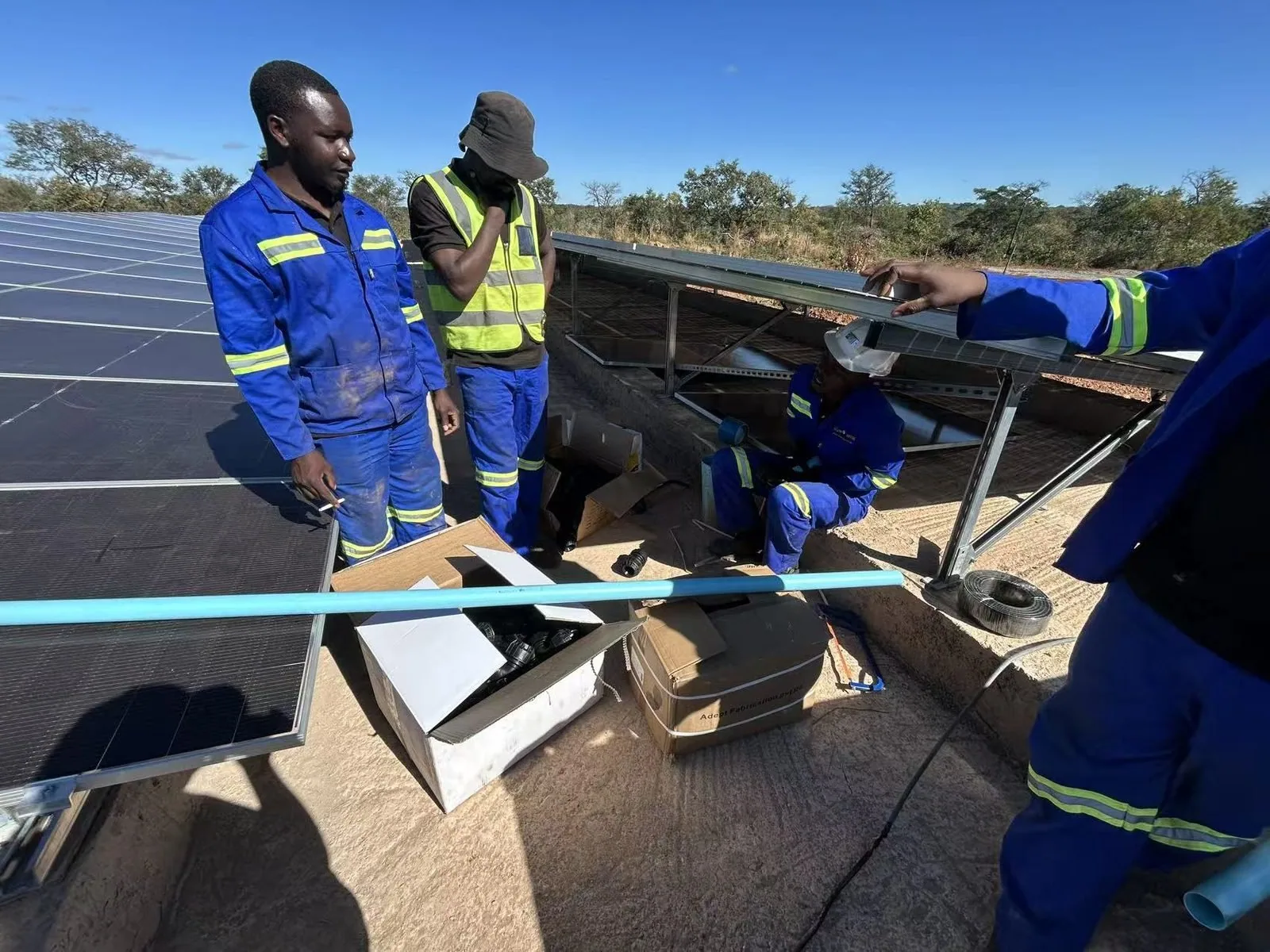
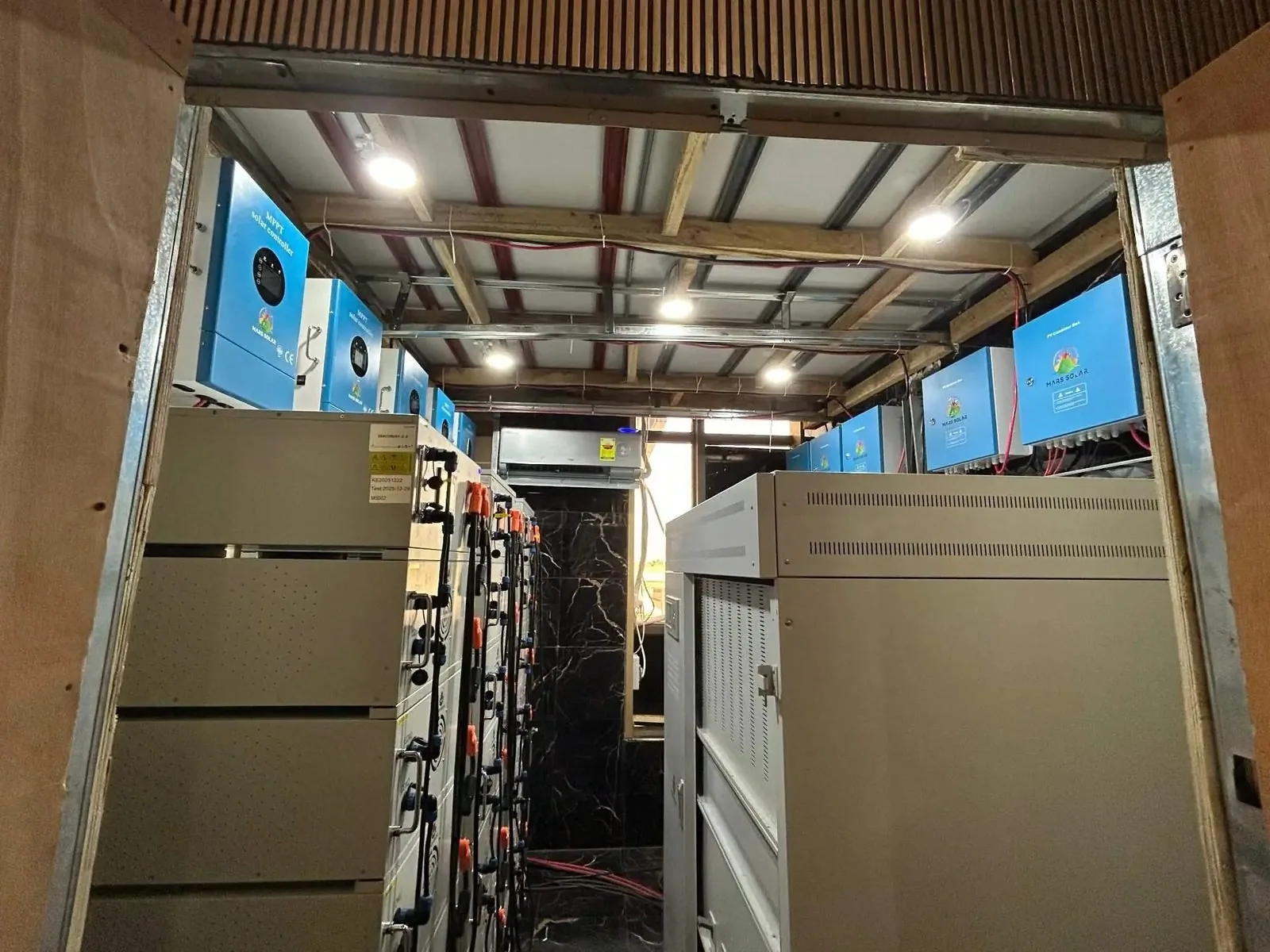
Sized from your electricity bills, your diesel hours and the loads that have to stay on. We supply and engineer the complete system; installation and after-sales are carried out by your local EPC or installer, with our engineering support behind them.
Grid reliability, tariffs and diesel dependence differ by country — and so does the right system. Pick where you operate.
A proven five-step process refined across our export projects: define, design, build, test, ship. Every step has a named owner, a document trail and a confirmed timeline.
Share your load profile, electricity tariff, grid conditions and site photos. You receive a free first-pass ROI and a capacity target built from your numbers.
⏱ 1–3 daysOur engineers fix the architecture, inverter topology, PV layout and storage sizing. Every model is named in the written bill of materials and single-line diagram.
⏱ 1–2 weeksCabinets and racks are built, wired and configured as one complete system — parameters set, labelling and manuals prepared for your market.
⏱ 1–3 weeksEvery system runs a continuous 72-hour pre-delivery test before packing, with logged results and photo records kept in the inspection file.
⏱ 72 hoursDoor-to-door logistics and destination documents are arranged by our export team, with remote commissioning support for the local installers.
⏱ 2–6 weeksTimeline is confirmed in writing per project — destination, customs and site readiness change the schedule.
Select a sector to see how its load shapes the system, the typical capacity range and a completed project.
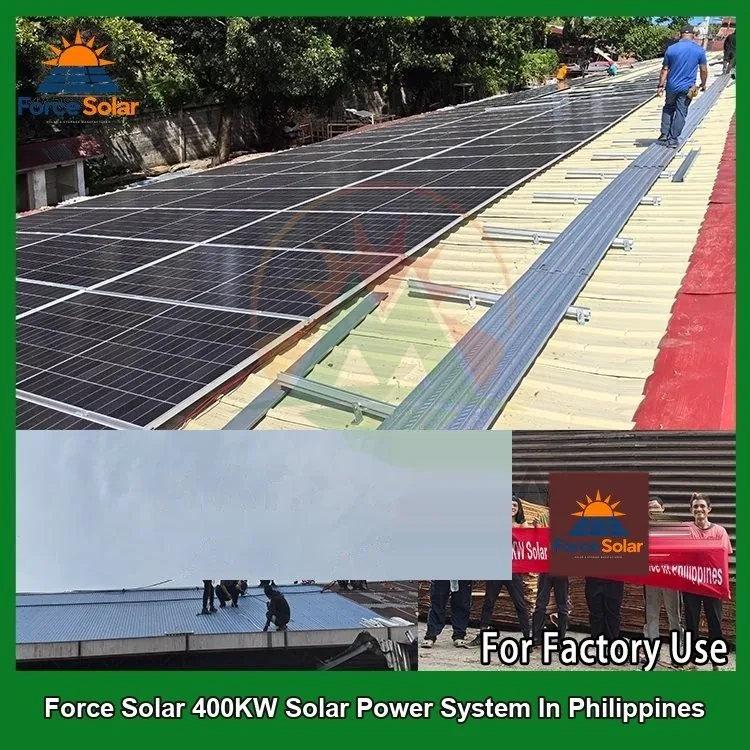
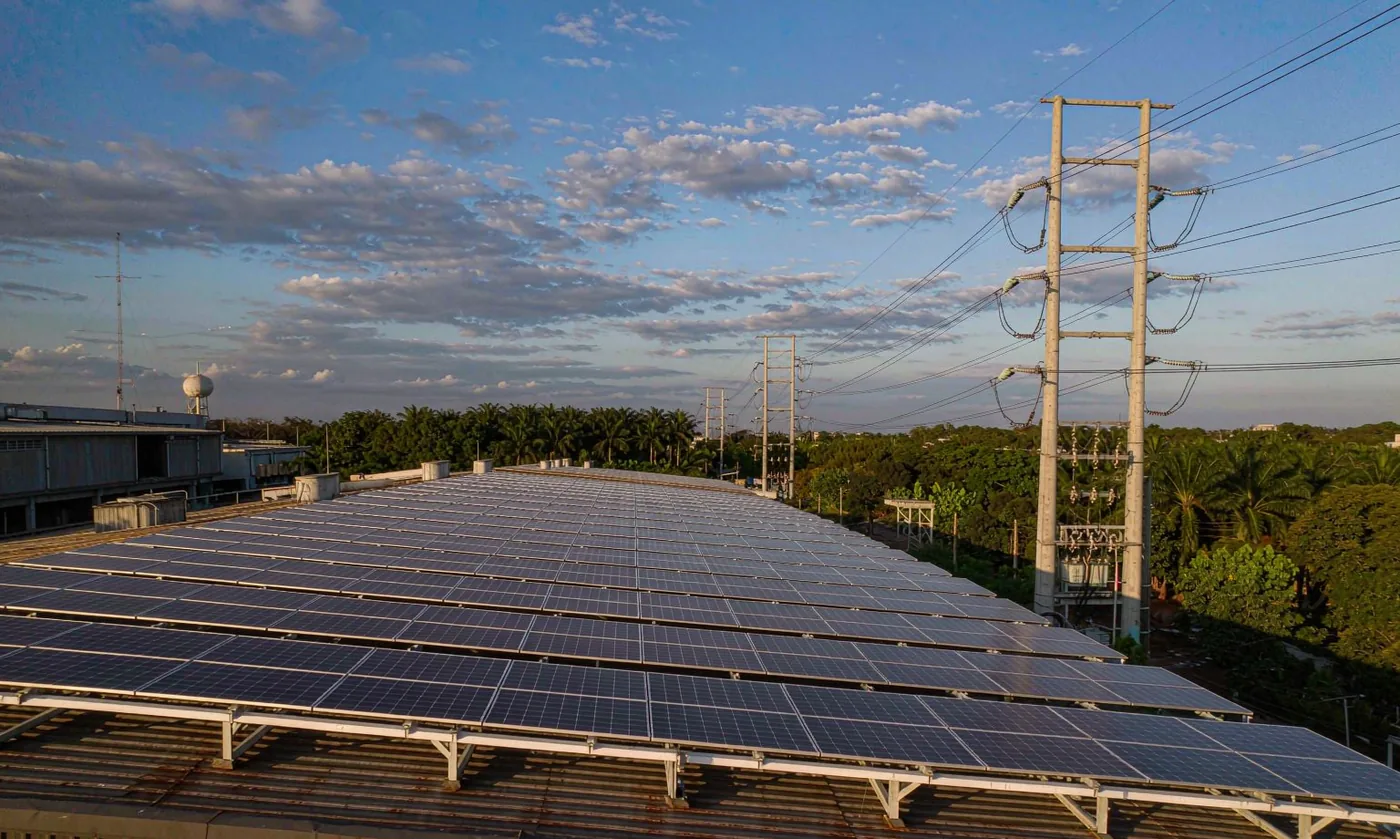
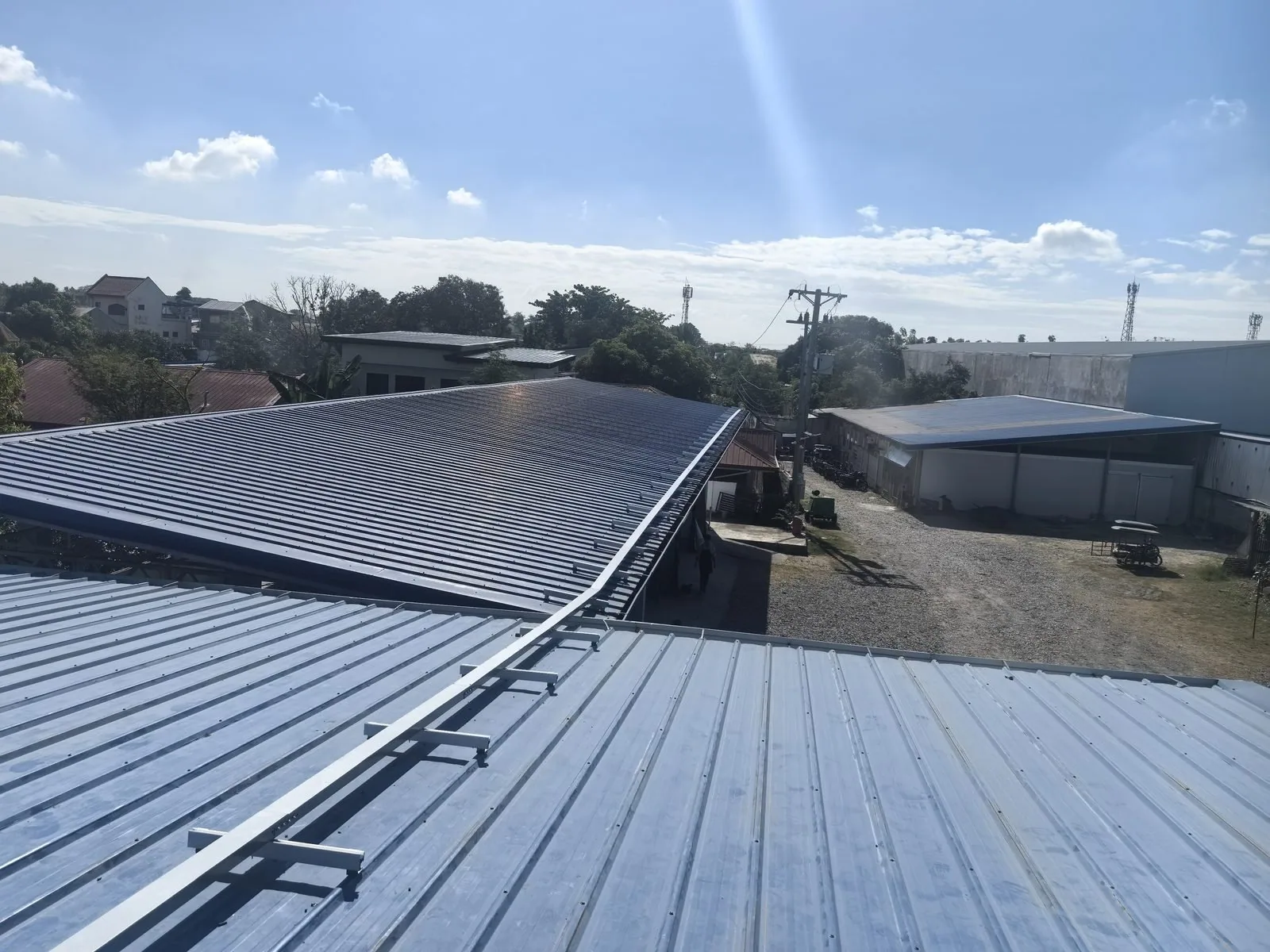
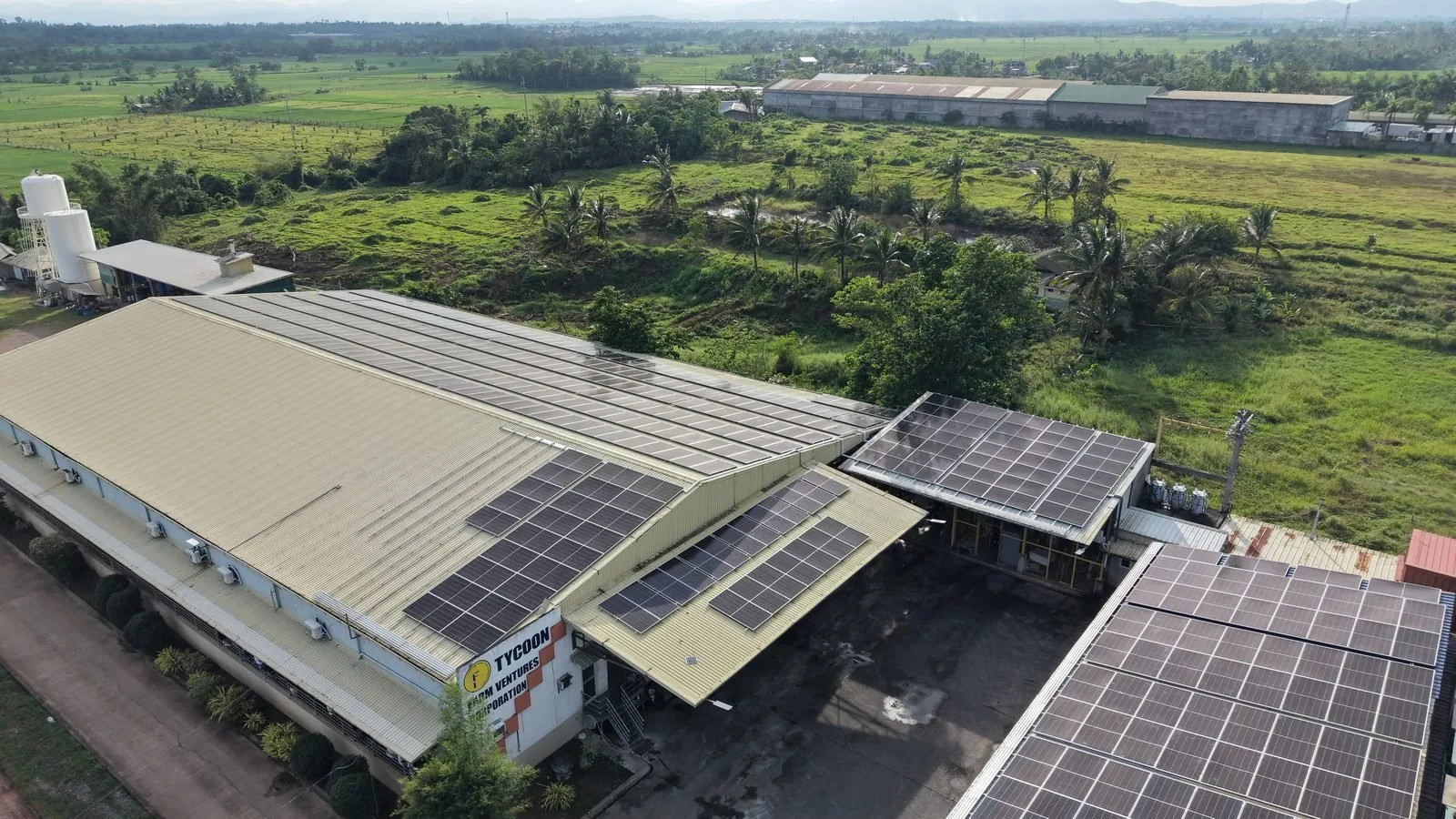 PHILIPPINES · 400 kW FACTORY
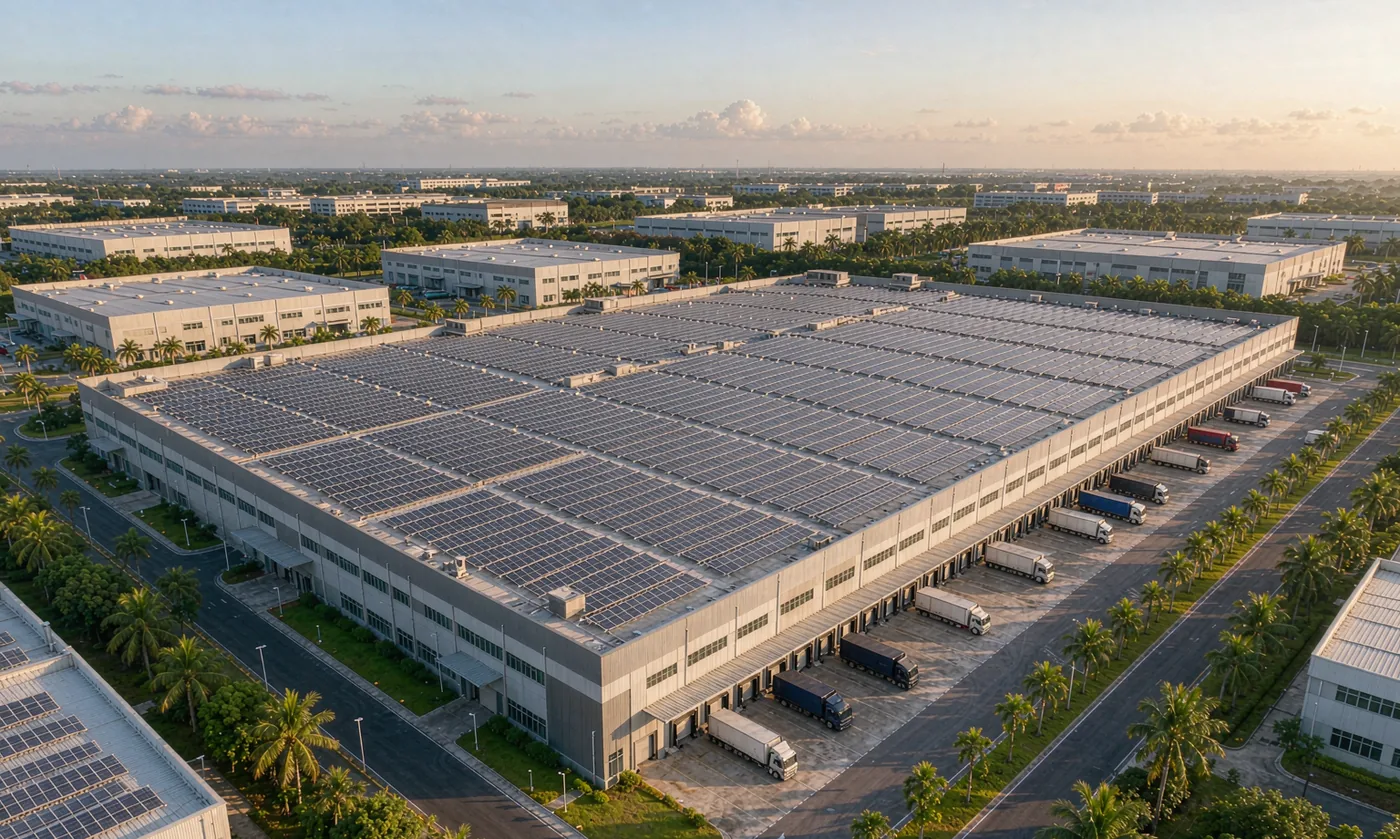
Production runs when the sun is strongest, which makes manufacturing the strongest solar case in most export markets. The design starts from interval loads and shift patterns, then checks the grid interface, roof structure and whether storage is worth adding now or later.
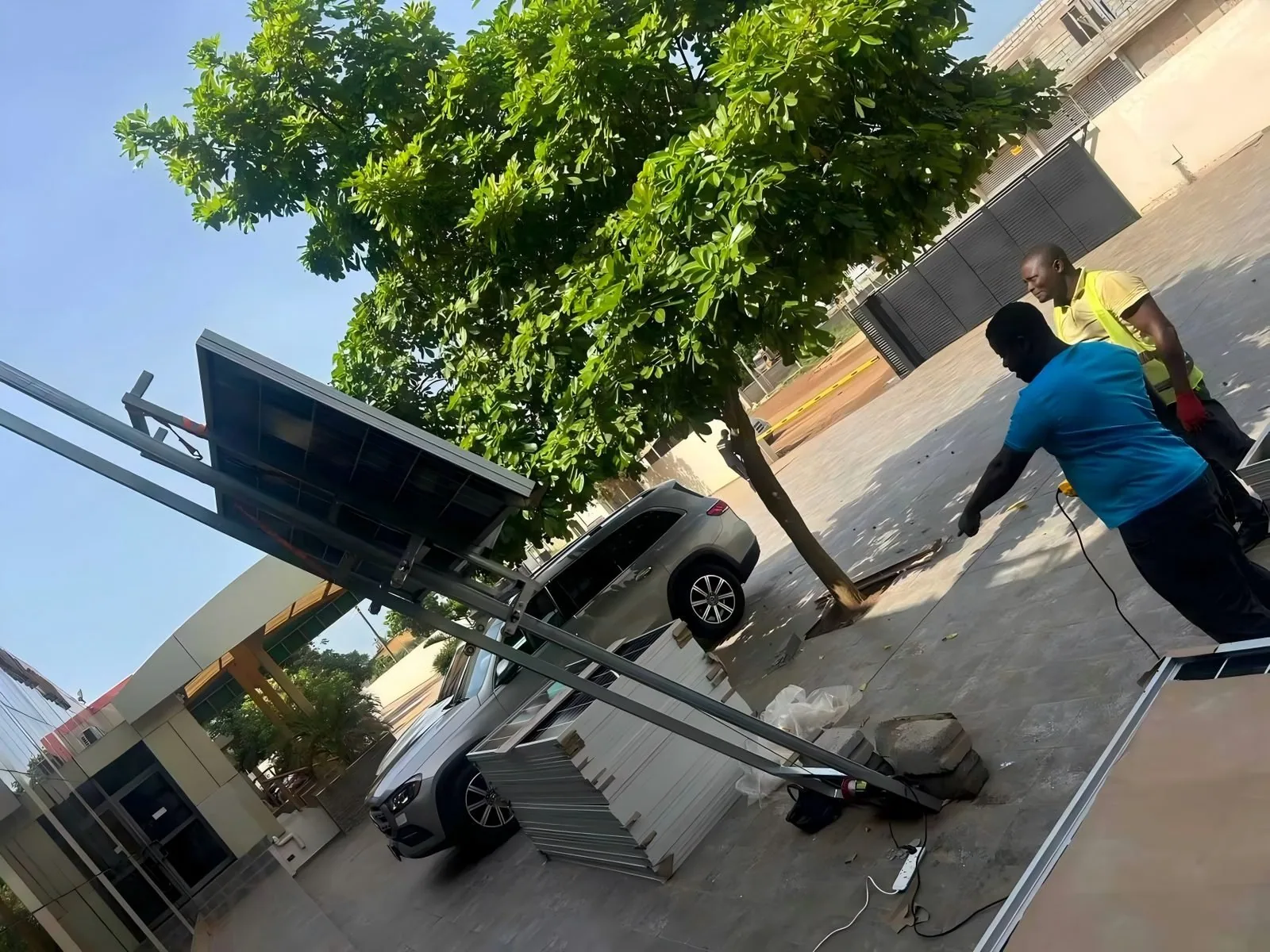 GHANA · 250 kW + BESS HOTEL
Hotels sell electricity as comfort: cooling, hot water, kitchens and lifts. Load peaks in the evening just as solar falls away, so the design centres on storage and seamless switchover — with the generator demoted to a last resort.
ZIMBABWE · 250 kW FARMWater demand peaks at midday, so pumping runs directly from solar with tank storage instead of batteries. Cold rooms and buildings are a separate design problem — those get storage, sized from the outage pattern of the local grid.
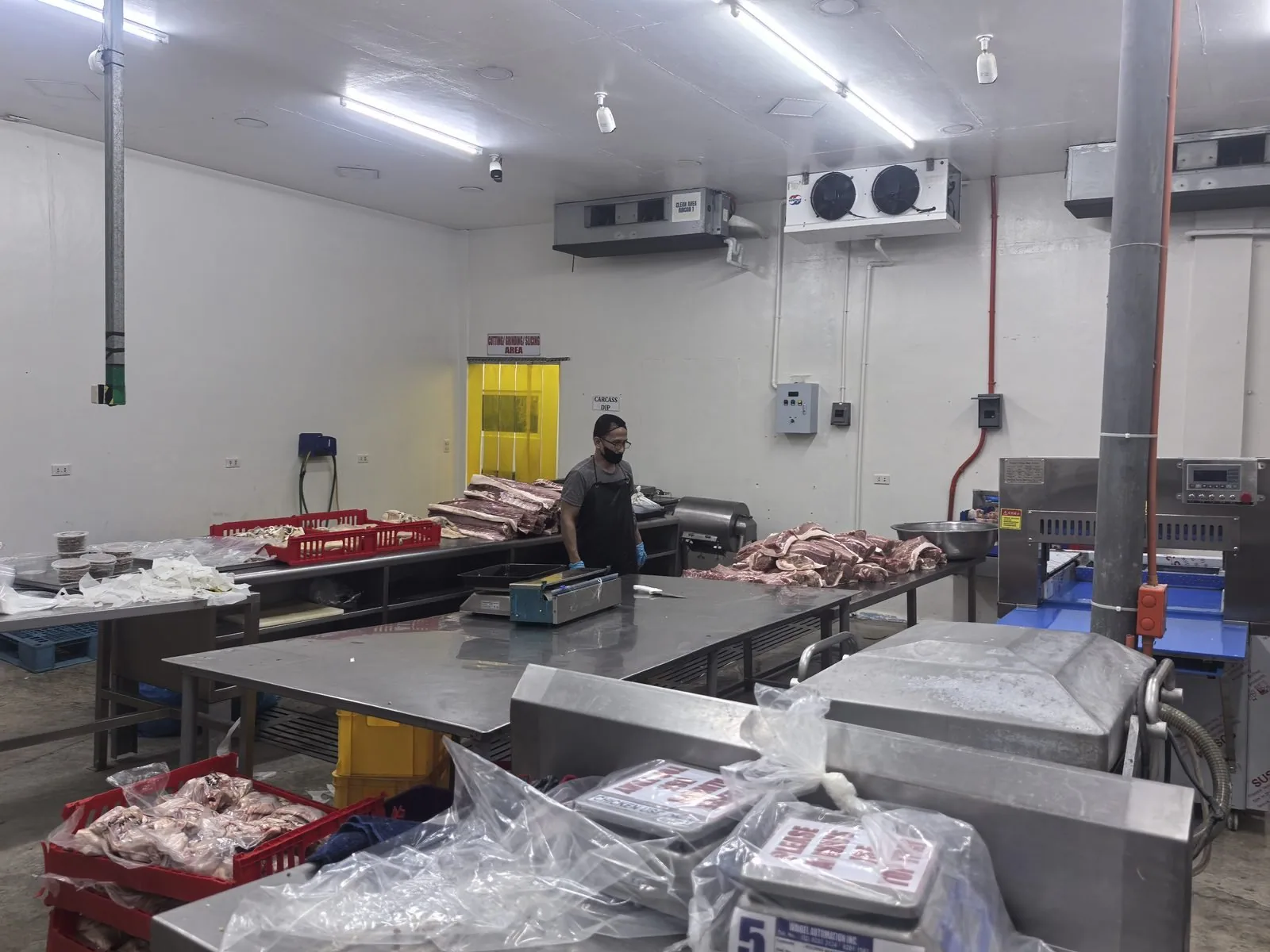 PHILIPPINES · 300 kW COLD STORAGE
Refrigeration looks like a flat load but behaves like a motor load: heavy starting current, no tolerance for downtime and product at risk in every hour of outage. Inverter capacity and backup hours are engineered around the compressor list, not the monthly kWh.
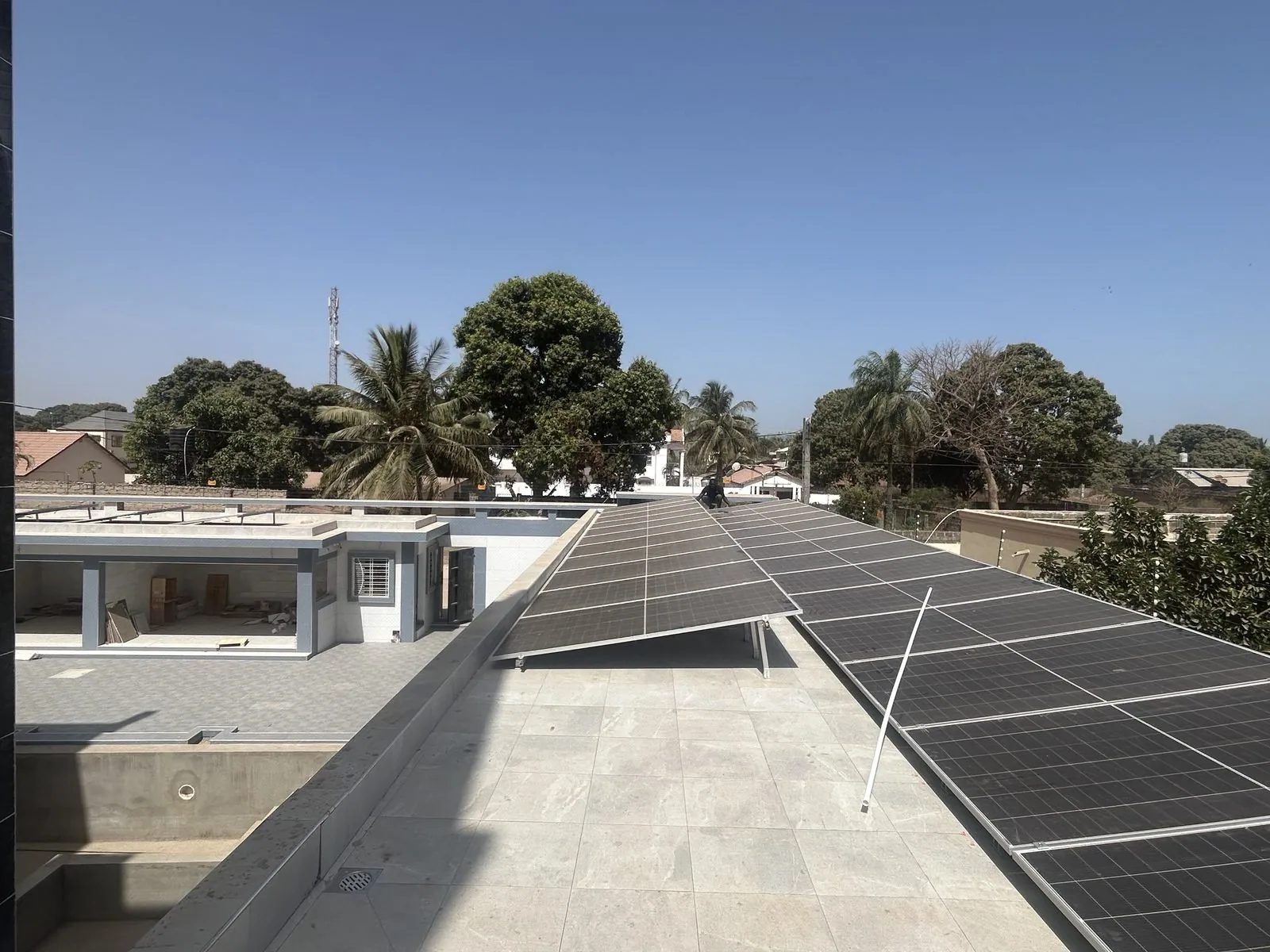 GAMBIA · 50 kW VILLA
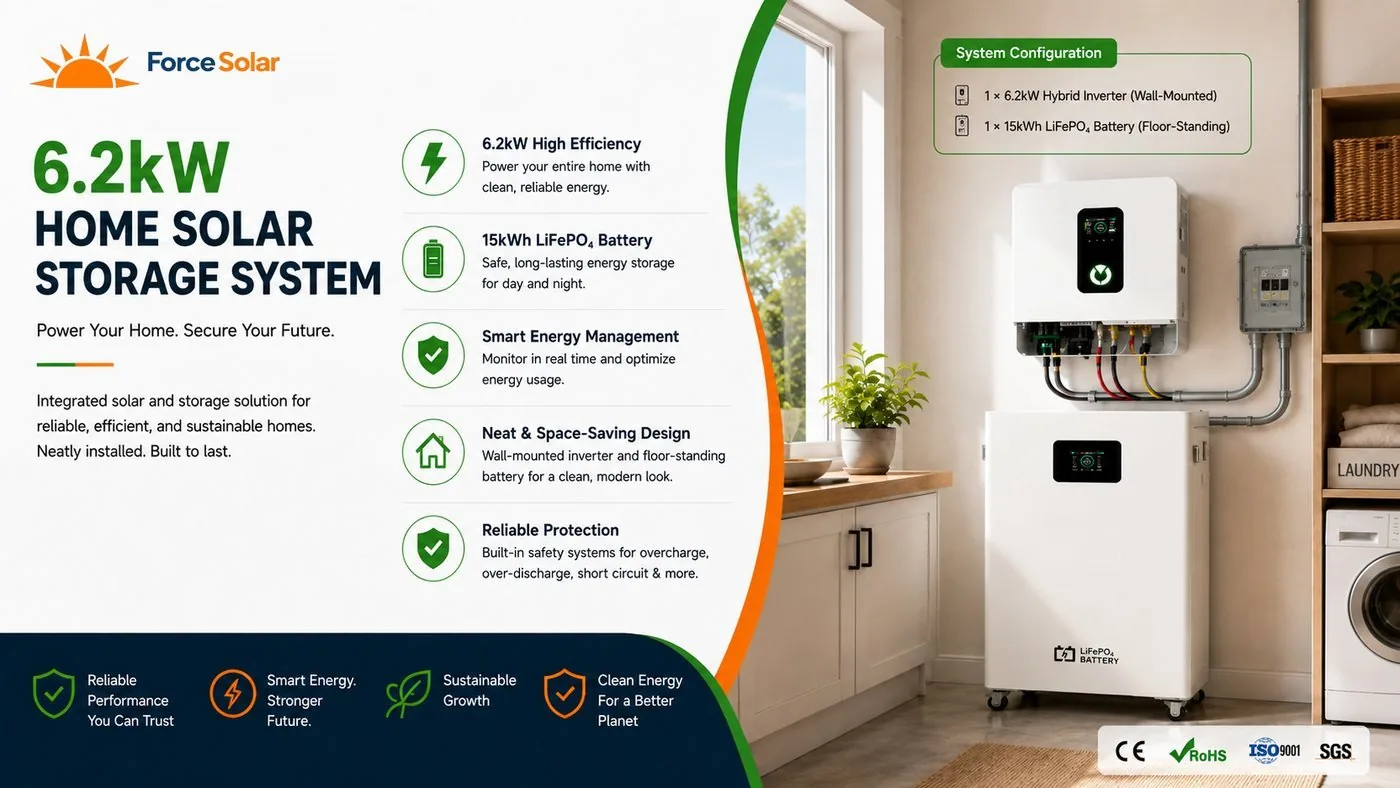
Household solar is sized from the bill, the roof and the night-time load. A hybrid inverter with 15–30 kWh of storage covers evening use and keeps essential circuits alive — quietly, without a generator starting outside the bedrooms.
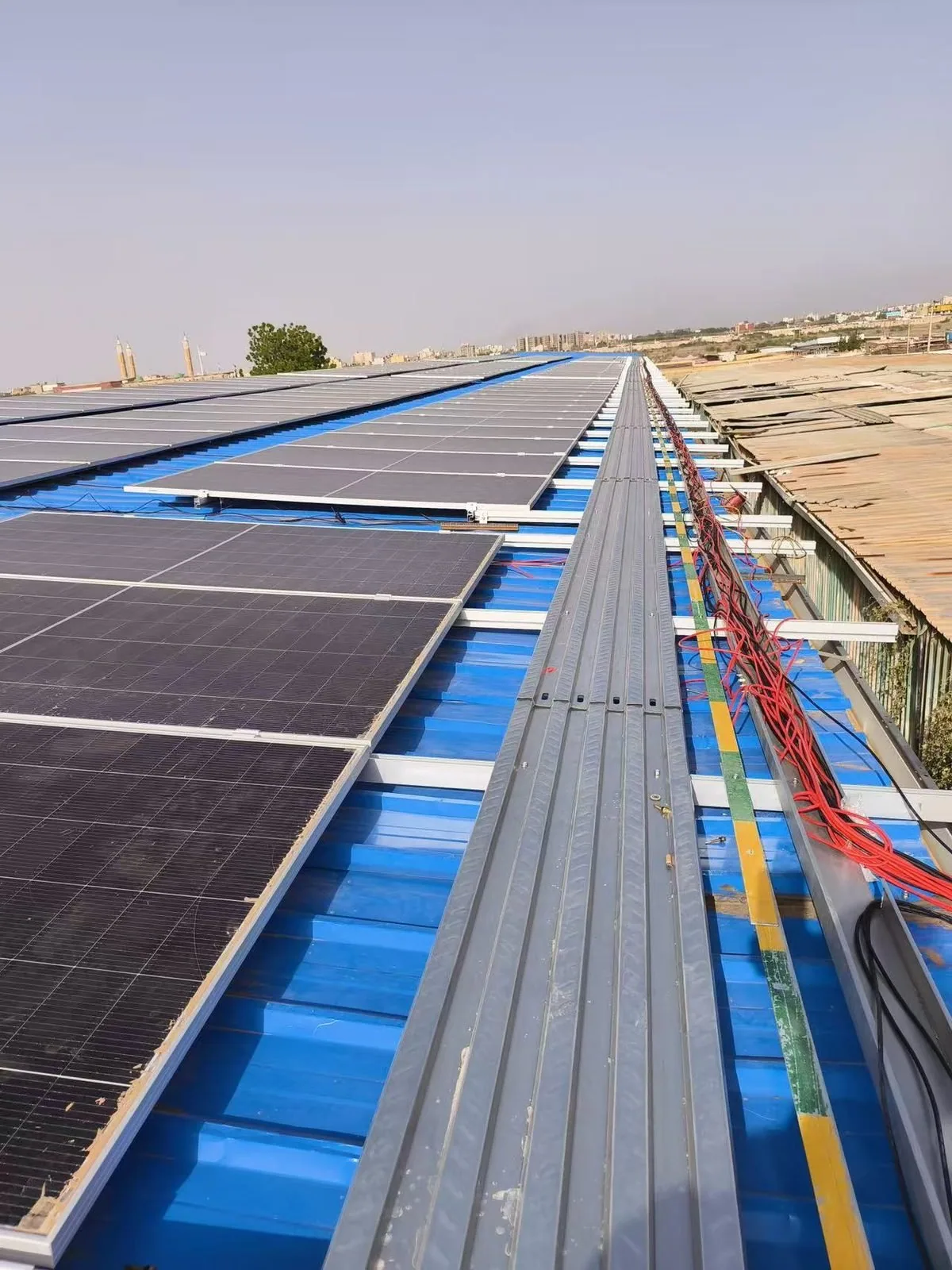
Installations from recent export projects — configuration, challenge and solution for each site.
Three-shift manufacturing; daytime solar offsets a high grid tariff.
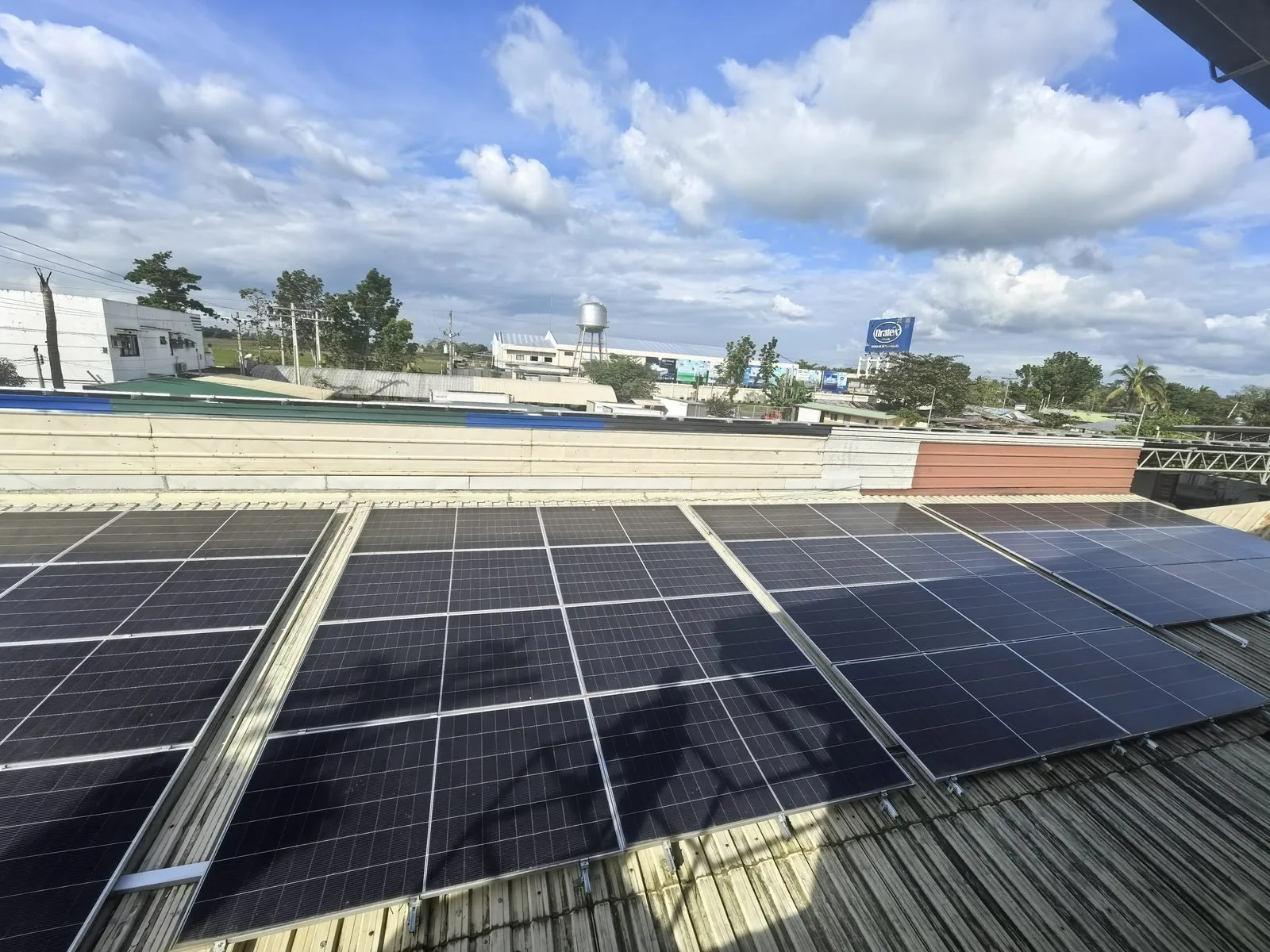
Compressor loads protected around the clock against outages.
Refrigeration load offset for a Pangasinan cold facility.
Treatment equipment kept running through an unreliable grid.
Counted from the project references published on this site — unpublished projects are not included.
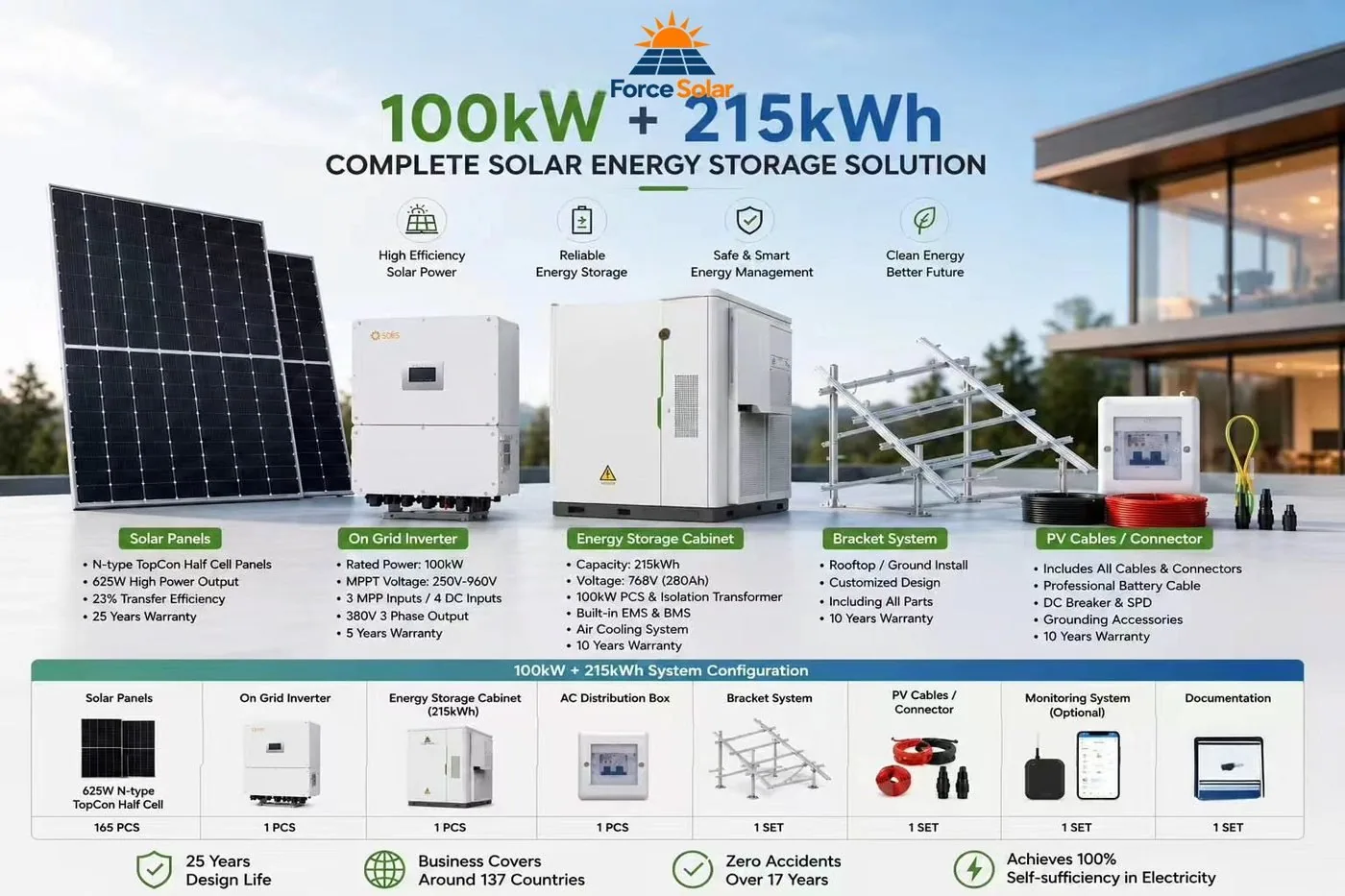
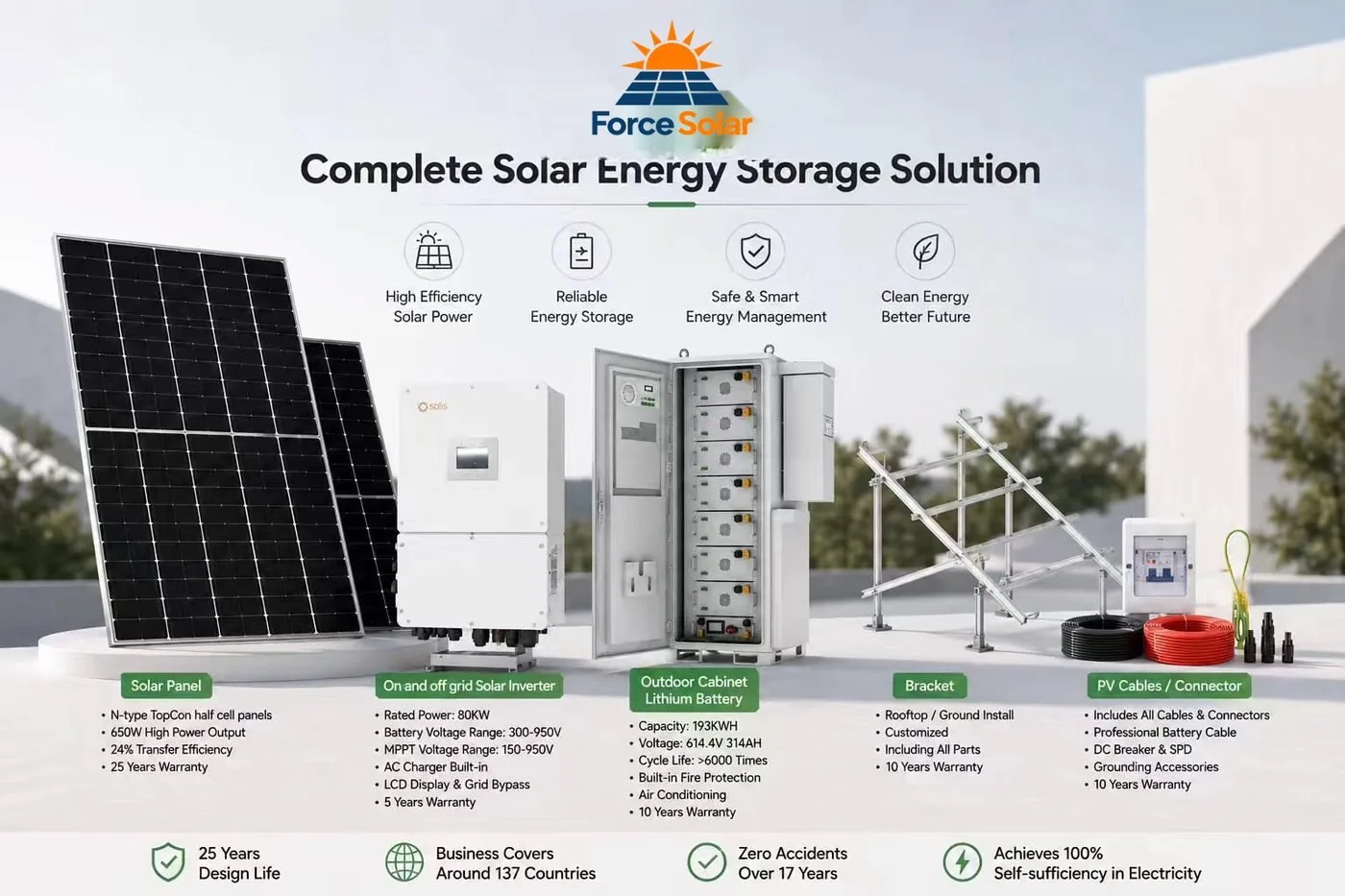
From 10kW hybrid packages to 1MW industrial systems and 96kWh–5MWh battery storage.
What factory-direct supply means for distributors, EPC contractors and project owners.
Capacity, branding, documentation language and packing configured for your market — OEM & ODM accepted.
Architecture, bill of materials and single-line diagram defined before any equipment ships.
Systems configured and tested as a complete scope before export packing, with inspection records.
Remote commissioning guidance, documentation and spare-parts coordination after delivery.
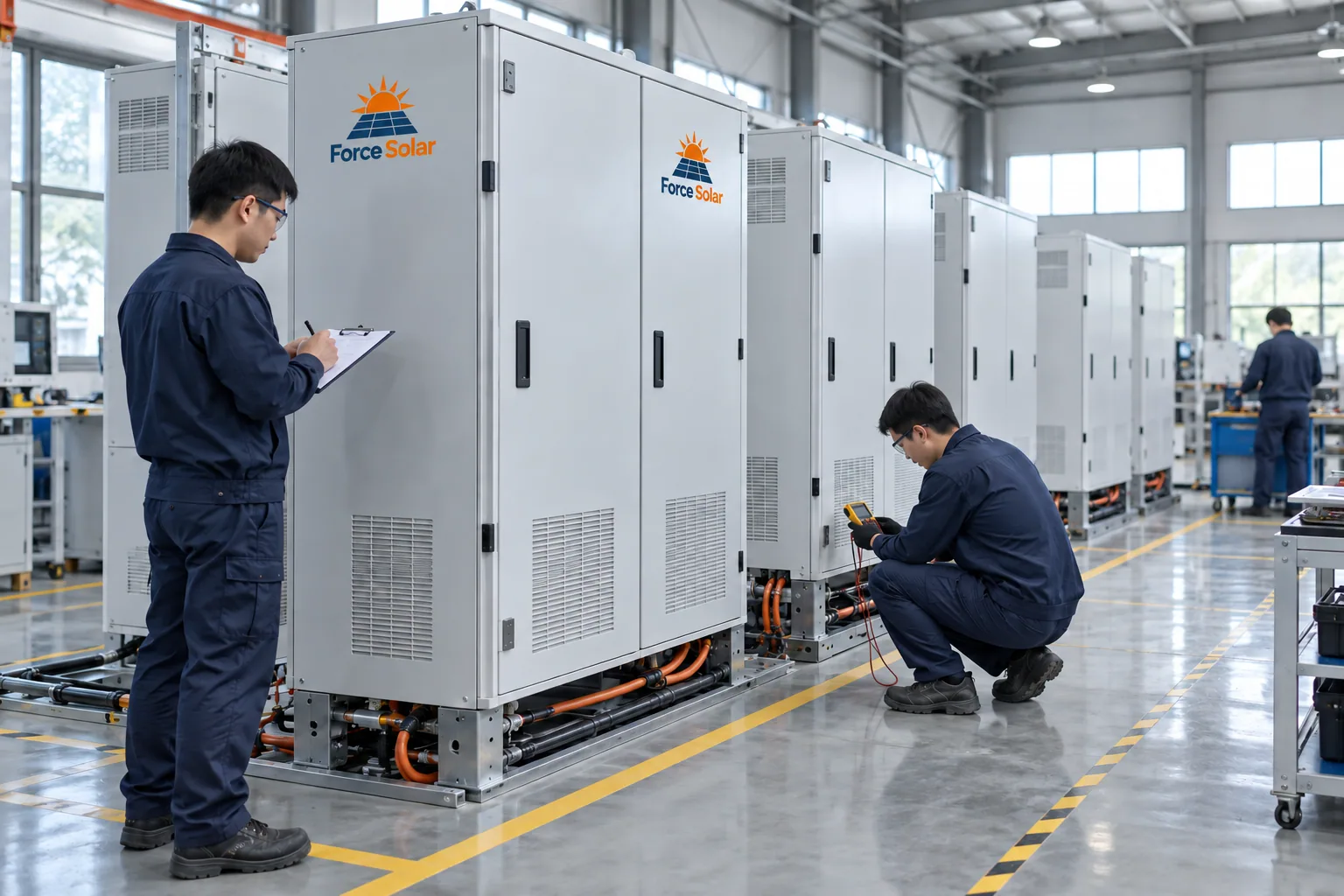 CONFIGURATION · INSPECTION · EXPORT
For an export order, the important questions are concrete: which models are supplied, how they are connected, what was inspected, and which documents apply to the destination.
Four inputs, a full 25-year picture: monthly savings, payback, lifetime return and CO₂ avoided — not just one number.
Engineering and installation notes from recent export projects.
These answers describe system selection. Final equipment and compliance depend on the agreed model and destination.
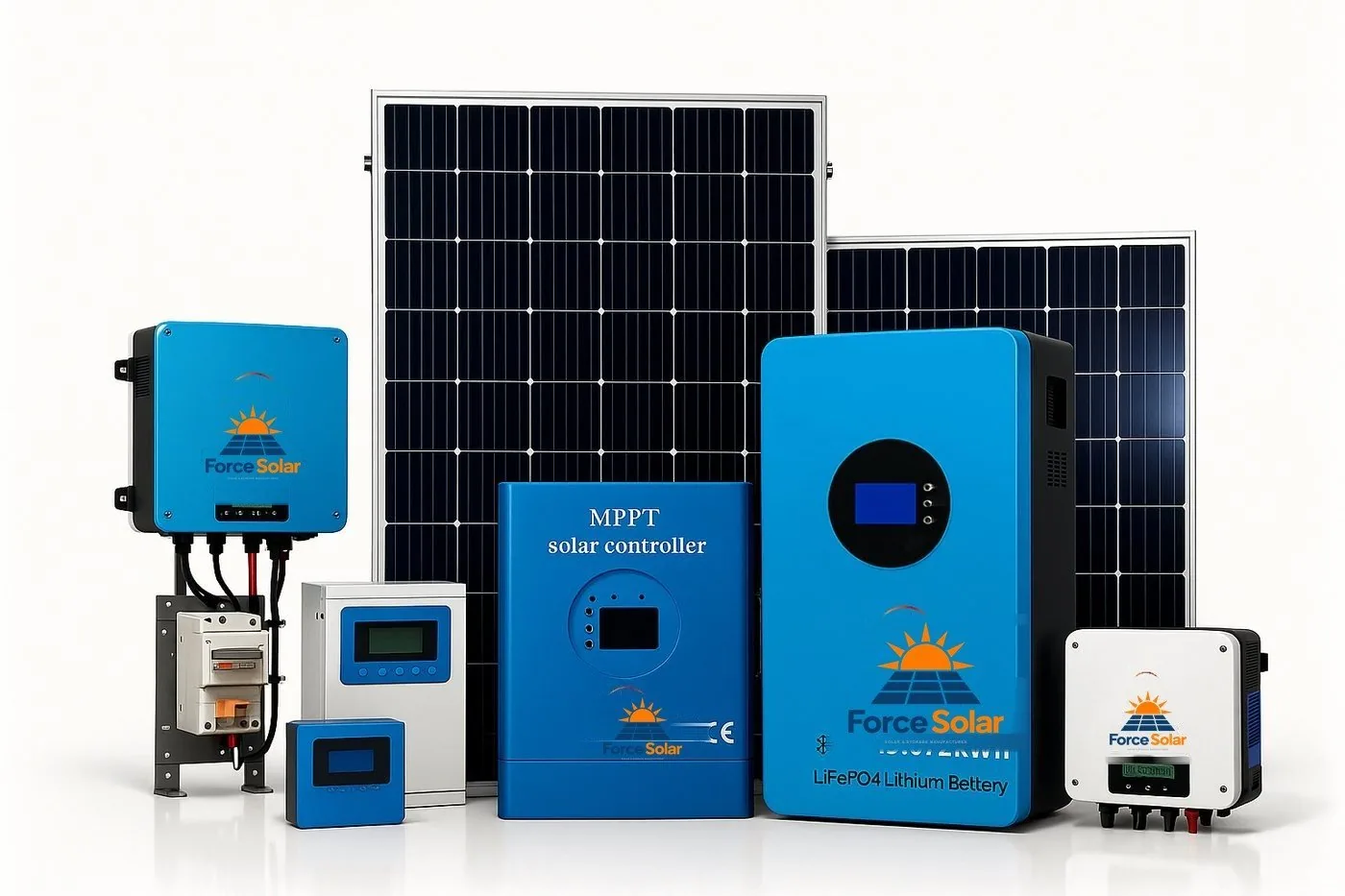
The scope typically includes PV modules, an inverter, mounting, DC/AC protection, cabling and monitoring. Battery storage is added when the load profile or backup target calls for it.
Start with grid availability and reliability, the hours of backup required, daily energy use and peak demand. Those facts determine whether storage and hybrid controls are needed.
Share the location, daily or monthly energy use, peak loads, grid phase and voltage, roof or land area, backup target and destination port.
Yes. System configuration, branding, documentation language and packing follow your market — OEM and ODM cooperation is available for distributors and EPC partners.
Capacity is matched to the daytime load curve, and every model is hybrid-ready so storage can be specified with the inverter instead of retrofitted later.
| Capacity | Model | Typical site |
|---|---|---|
| 10kW | FS-10KW | Home, shop, clinic |
| 50kW | FS-50KW | Commercial building, workshop |
| 100kW | FS-100KW | Commercial and light industrial |
| 200kW | FS-200KW | Factory, large facility |
| 400kW | FS-400KW | Industrial rooftop, three-shift plant |
| 1MW | FS-1000KW | Industrial site, ground mount |
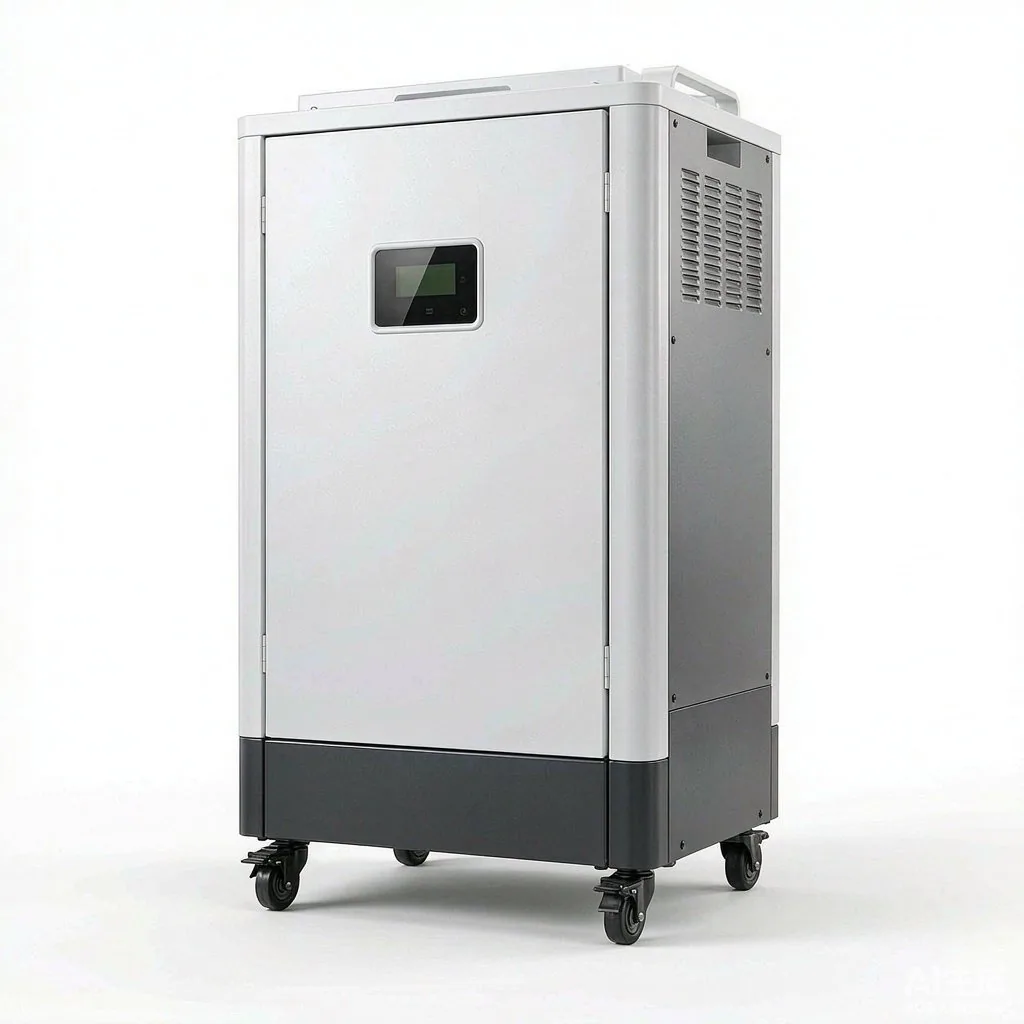
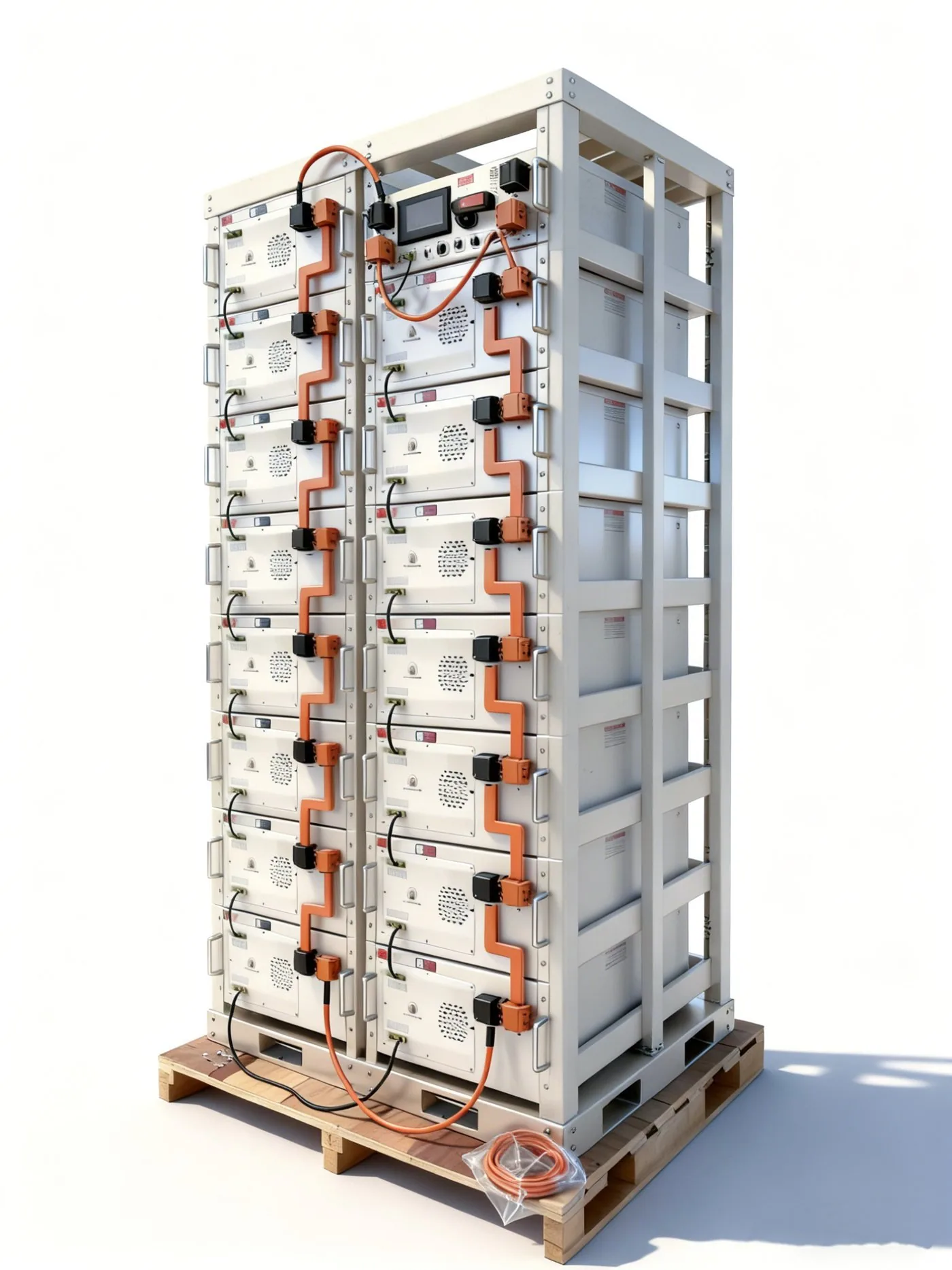
Storage runs from 96kWh cabinets to 5MWh containerised projects. See the full product catalog for all twelve capacities.
A bill, load list or single-line diagram helps us start with a useful scope. Exact capacities and models are confirmed after engineering review.